TradeZero Blog
Page 6 of 22

Inverse Cup and Handle Pattern: How Traders Assess Bearish Structure and Sentiment Shifts
The Rounding Top is a classic Japanese candlestick chart pattern that is commonly interpreted as a potential bearish reversal pattern. It forms gradually over time at the end of a strong uptrend, and may reflect a shift from strong bullish momentum toward weakening sentiment, with its curved shape denoting how buyers gradually lose strength with each consecutive push higher, finally culminating in a potential market top.

Island Reversal Pattern: How Traders Interpret Gaps, Sentiment Shifts, and Potential Reversal Signals
The Island Reversal is a bearish reversal chart pattern distinguished by its sharp, visually distinct shape, with a gap up that is quickly followed by a gap down after a short consolidation period, or vice versa.

Rounding Top Pattern: How Traders Evaluate This Gradual Shift in Momentum
The Rounding Top is a classic Japanese candlestick chart pattern that is commonly interpreted as a potential bearish reversal pattern. It forms gradually over time at the end of a strong uptrend, and may reflect a shift from strong bullish momentum toward weakening sentiment, with its curved shape denoting how buyers gradually lose strength with each consecutive push higher, finally culminating in a potential market top.
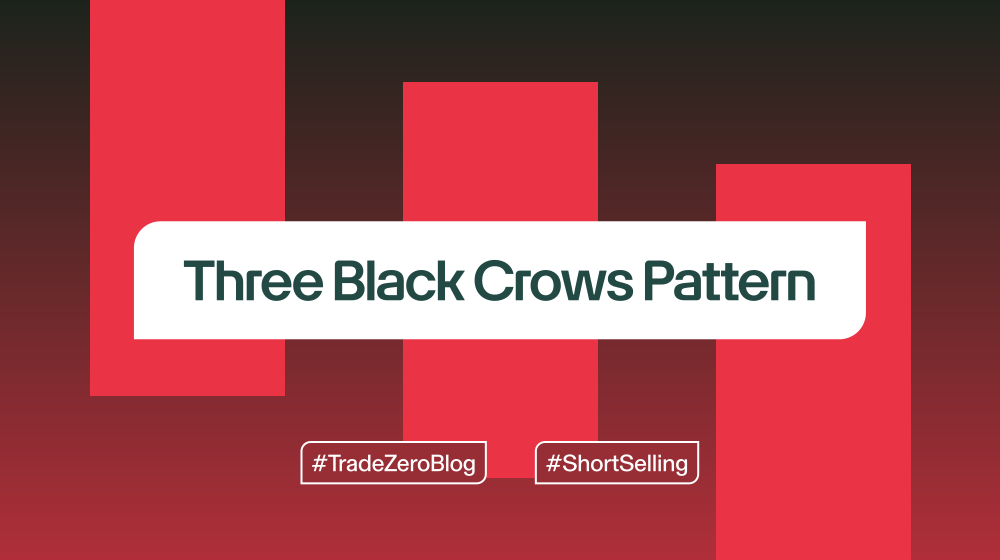
Three Black Crows Pattern: How Traders Assess Bearish Momentum
The Three Black Crows is one of the most widely recognizable bearish candlestick chart patterns. It is made up of three consecutive and long-bodied red handles, which are formed after an established downtrend.
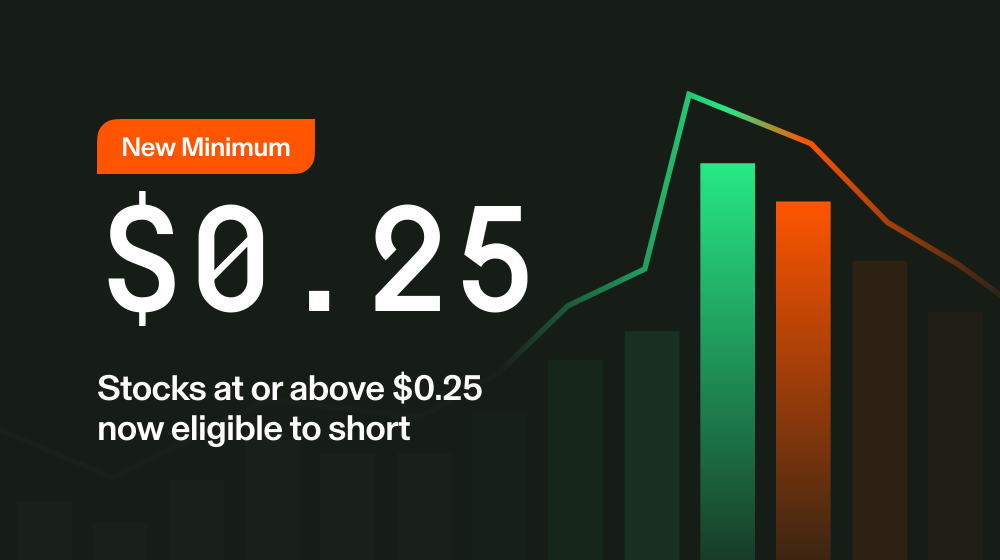
TradeZero America Lowers Minimum Short Price Threshold to $0.25
TradeZero America has lowered its minimum short-selling price threshold from $0.50 to $0.25. Stocks priced at or above $0.25 may now be eligible for short selling, subject to borrow availability, margin eligibility, account requirements, and risk controls.

Butterfly Spread: How Traders Can Use This Multi-Leg Options Strategy to Trade Range-Bound Markets While Managing Risk
Intermediate options traders, those who start using multi-leg trading strategies, often turn to the Butterfly Spread. This approach is structured to help traders potentially capture premium income in rangebound or stagnant markets, so it’s a favorite among traders whose market outlooks anticipate stability rather than significant price movements.
Credit Spread vs Debit Spread: How Traders Choose Between Income and Directional Strategies
Options traders who’ve mastered and moved beyond rudimentary single contract strategies toward more advanced strategies often opt for multi-leg trades, which may provide more control over both the risk and reward of setups
Iron Condor: How Traders Use This Options Strategy to Seek Range-Bound Profits with Limited Risk
The Iron Condor enjoys a vaunted position as one of the most recognized strategies in the advanced options trader’s playbook. The strategy consists of four legs and offers a setup with clearly defined potential losses that may be appropriate for traders seeking to collect premiums in rangebound or sideways markets.

Are We Consolidating for New All-Time Highs?
HYG had a relatively weak week as rising Treasury yields and renewed inflation concerns pressured the credit markets.
Multi-Leg Options: How Traders Combine Contracts to Adapt to Market Conditions
Multi-leg options trades combine two (or more) options contracts to form a single position. Each leg of this larger trade can be a call or a put, with different strike prices and expiration dates to boot.