DailyEdge
Join 250,000+ Subscribers
And get our 5 minute daily newsletter on what's moving the markets.
*By subscribing to the DailyEdge newsletter, you agree to the terms of the Privacy Policy of the TradeZero broker dealer in your jurisdiction.
Past Editions
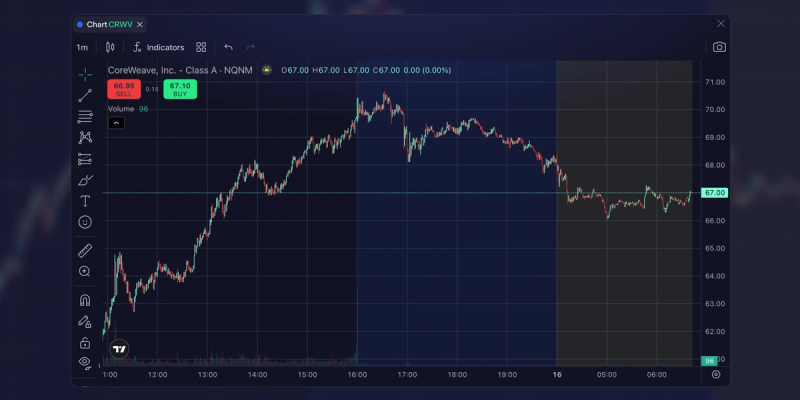
CoreWeave Stock Wipeout Exposes Divide Between AI Fear and Greed
CoreWeave Inc. has become ground zero in a tug of war between investors who see rising bond yields as a potential rally killer for the AI trade and those who think demand for computing power will make those concerns seem passé before long.

Trump Administration Doubles Its Equity Stake In GlobalFoundries, Will Partner With Company In New Semiconductor Plant
President Trump and chipmaker GlobalFoundries (GFS) announced a multifaceted series of deals Wednesday, including a doubling of the already sizable U.S. government stake in the company, as well as plans for two new semiconductor fabrication plants to be operated by the company and the U.S. and Japanese governments.

Dow, S&P 500, Nasdaq Futures Edge Higher Ahead of CPI Inflation Data, Earnings
US stock futures drifted higher in premarket trading on Wednesday as the third-quarter earnings season got underway and investors awaited fresh inflation data.

Dow, S&P 500, Nasdaq Futures Trade Mixed With Bank Earnings On Deck
US stock futures were muted on Tuesday as crosscurrents from bank earnings, a chip sell-off, and volatile oil prices clouded the market outlook.

Welcome Back to Earnings Season
Buckle your seatbelts and keep all hands and feet inside the vehicle, because earnings season is back.

Humana Announces Improved CMS Star Ratings with 95 Percent of Medicare Advantage Members
Humana Inc. (NYSE: HUM), a leading consumer healthcare company focused on helping people achieve their best health, announced improved Star Ratings for 2027, with 95% of its Medicare Advantage members enrolled in plans rated 4 stars or higher by the Centers for Medicare & Medicaid Services (CMS). Additionally, 42% of Humana's Medicare Advantage members are enrolled in 4.5-star plans for 2027.